本文通过实现四种不同的链表,逐步深入 Rust 的核心机制。每一版链表都会暴露新的问题,驱动我们学习新的语言特性:
| 版本 | 数据结构 | 核心知识点 |
|---|
| v1 不太优秀的单向链表 | Box + 自定义 enum Link | 内存布局、所有权转移、mem::replace |
| v2 还可以的单向链表 | Option<Box<Node>> + 泛型 | take()、as_ref()、生命周期、三种迭代器 |
| v3 持久化单向链表 | Rc 共享所有权 | 引用计数、不可变共享、Rc::try_unwrap |
| v4 双端队列 | Rc<RefCell<Node>> | 内部可变性、borrow_mut()、Ref::map 的局限 |
| v5 unsafe 队列 | 裸指针 *mut Node | Box::into_raw、Box::from_raw、Miri、UB |
v1:不太优秀的单向链表(栈)#
基本布局#
最直觉的实现——用枚举递归定义链表:
1
2
3
4
| pub enum List {
Empty,
Elem(i32, List),
}
|
编译器直接报错:
1
2
3
4
5
| 1 | pub enum List {
| ^^^^^^^^^^^^^ recursive type has infinite size
3 | Elem(i32, List),
| ---- recursive without indirection
help: insert some indirection (e.g., a `Box`, `Rc`, or `&`) to make `List` representable
|
List 是一个递归类型,编译器无法在编译期确定它的大小。为什么确定大小这么重要?因为 Rust 的函数调用依赖它——栈帧的布局(每个局部变量的偏移量、函数栈帧的总大小)在编译期就要确定,运行时不能动态调整:
1
2
3
| fn foo() {
let x: List = List::Empty; // 编译器需要知道:栈帧给 x 留多少字节?
}
|
而编译器计算 List 大小时会陷入无限递归:
List 的大小 = max(Empty, Elem) = Elem 的大小Elem 的大小 = i32(4 字节) + List 的大小List 的大小 = 4 + List 的大小 = 4 + 4 + List 的大小 = …
算不出一个确定的数字,所以拒绝编译。解决办法是加一层间接引用 Box,让递归部分变成一个固定大小的堆指针:
1
2
3
4
5
| pub enum List {
Empty, // 0 字节
Elem(i32, Box<List>), // 4 字节 + 8 字节(指针) = 12 字节(再加对齐)
}
// List 大小 = max(0, 12) = 确定了!
|
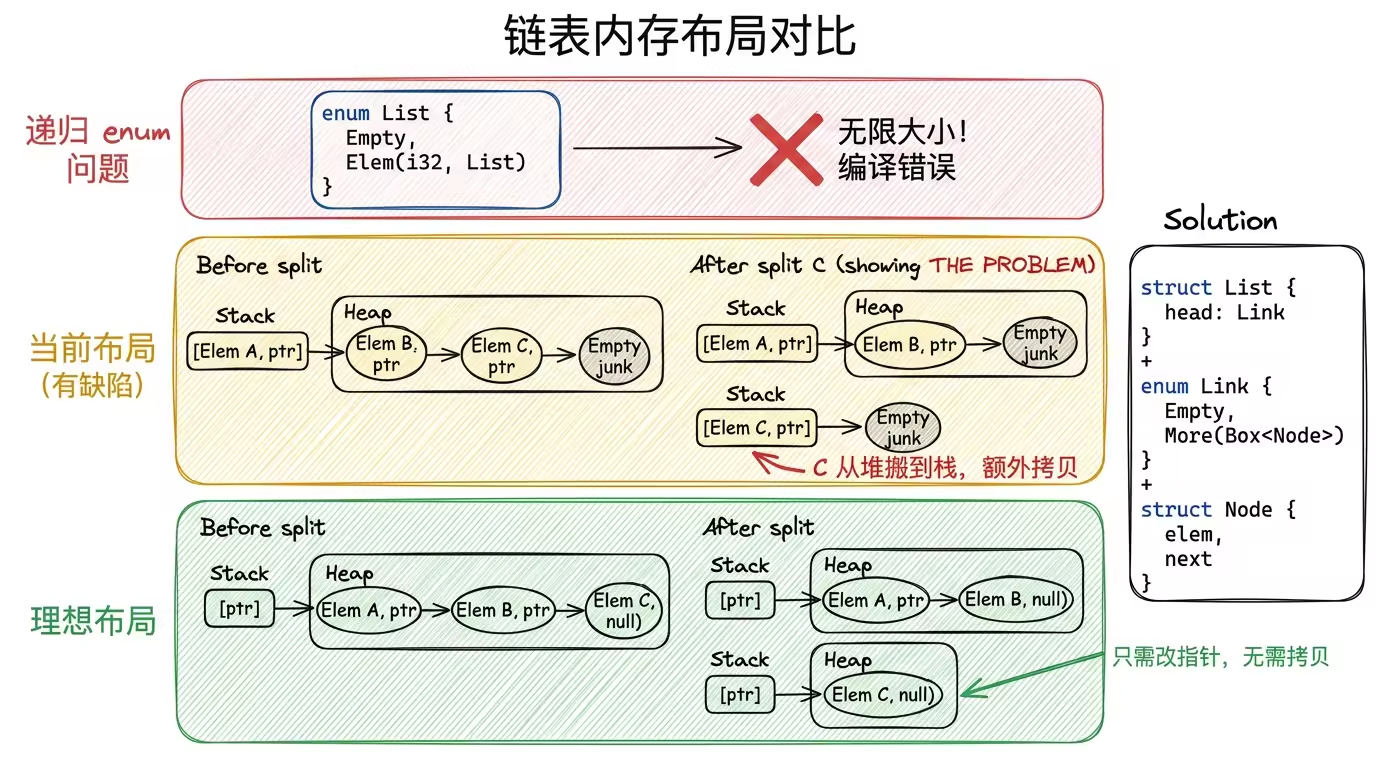
能编译了,但内存布局有两个问题:
问题 1:空节点浪费空间。由于 enum 的内存对齐,Empty 变体也要占用和 Elem 一样大的空间(至少要存下最大变体的大小)。
问题 2:首节点在栈上,其余在堆上。这导致分割/合并链表时需要在栈和堆之间搬运数据:
1
2
3
4
5
6
| 布局(当前):
[Elem A, ptr] -> (Elem B, ptr) -> (Elem C, ptr) -> (Empty *junk*)
分割 C 后:
[Elem A, ptr] -> (Elem B, ptr) -> (Empty *junk*)
[Elem C, ptr] -> (Empty *junk*) ← C 从堆上搬到了栈上,产生额外拷贝
|
更好的布局是:所有节点都在堆上,链表本身只持有一个指针,空尾用 null 表示而非一个 Empty 节点:
1
2
3
4
5
6
| 布局(理想):
[ptr] -> (Elem A, ptr) -> (Elem B, ptr) -> (Elem C, *null*)
分割 C 后:
[ptr] -> (Elem A, ptr) -> (Elem B, *null*)
[ptr] -> (Elem C, *null*) ← 只需改指针,无需拷贝
|
如下图所示:
为此,我们将链表拆分为三个类型:
 1
 2
 3
 4
 5
 6
 7
 8
 9
10
11
12
13
| pub struct List {
head: Link,
}
enum Link {
Empty,
More(Box<Node>),
}
struct Node {
elem: i32,
next: Link,
}
|
List 只是一个指针大小的栈上结构,所有 Node 都通过 Box 分配在堆上,空尾用 Link::Empty 表示(不占额外空间,因为编译器会将 Box 的 null 指针优化为 Empty 变体)。
Push#
创建一个新节点,让它的 next 指向当前 head,然后更新 head 指向新节点:
1
2
3
4
5
6
7
8
9
| impl List {
pub fn push(&mut self, elem: i32) {
let new_node = Node {
elem: elem,
next: self.head,
};
self.head = Link::More(Box::new(new_node));
}
}
|
编译报错:
1
2
3
4
5
6
| error[E0507]: cannot move out of `self.head` which is behind a mutable reference
--> src/first.rs:23:19
|
23 | next: self.head,
| ^^^^^^^^^ move occurs because `self.head` has type `Link`,
| which does not implement the `C
|
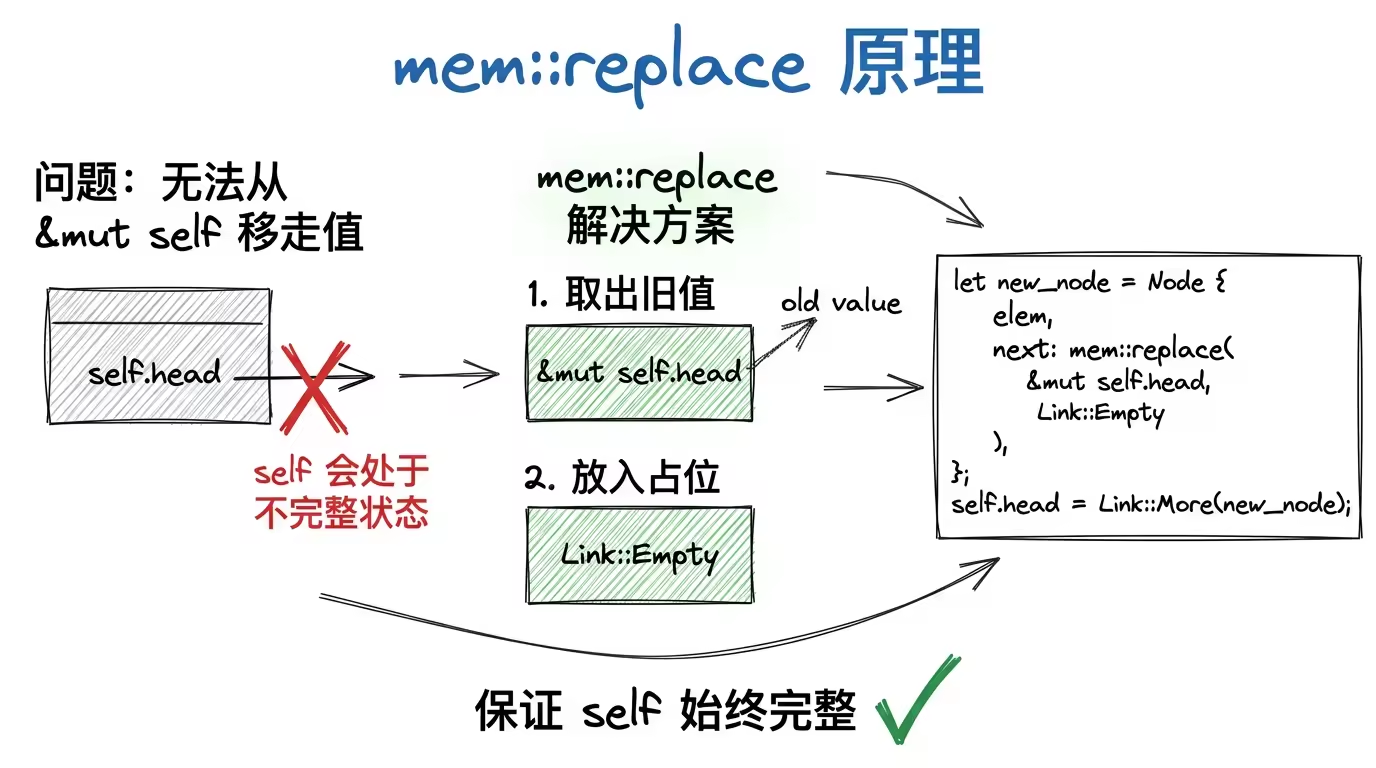
self 是一个 &mut 借用,我们试图将 self.head 的所有权移动给 next,这会让 self 处于一个不完整的状态(head 被拿走了但还没放回新值),Rust 不允许这样做
不太优的方案:clone
 1
 2
 3
 4
 5
 6
 7
 8
 9
10
11
12
13
| #[derive(Clone)]
enum Link { ... }
#[derive(Clone)]
struct Node { ... }
pub fn push(&mut self, elem: i32) {
let new_node = Node {
elem: elem,
next: self.head.clone(), // 深拷贝整条链表,O(n) 开销
};
self.head = Link::More(Box::new(new_node));
}
|
能编译,但 clone() 会深拷贝从 head 开始的整条链表,完全不可接受。
更优的方案:mem::replace
我们需要的是:从 self.head 中"偷"出值,同时放入一个临时占位值,保证 self 始终处于合法状态:
mem::replace 原理如下图所示:
1
2
3
4
5
6
7
8
| pub fn push(&mut self, elem: i32) {
let new_node = Box::new(Node {
elem: elem,
next: std::mem::replace(&mut self.head, Link::Empty),
});
self.head = Link::More(new_node);
}
|
mem::replace(&mut self.head, Link::Empty) 做了两件事:把 self.head 的值取出来返回,同时把 Link::Empty 放进去。这样 self 在整个过程中始终是完整的。
Pop#
1
2
3
4
5
6
7
8
9
| pub fn pop(&mut self) -> Option<i32> {
match std::mem::replace(&mut self.head, Link::Empty) {
Link::Empty => None,
Link::More(node) => {
self.head = node.next;
Some(node.elem)
}
}
}
|
同样使用 mem::replace 先把 head 偷出来,再根据情况处理。
v2:还可以的单向链表#
v1 有两个不优雅的地方:
每次操作都要用 mem::replace,过于 hack
额外定义了一个 Link 枚举,其实 Rust 内置的 Option 完全能胜任
用 Option 替代 Link#
 1
 2
 3
 4
 5
 6
 7
 8
 9
10
11
12
| pub struct List<T> {
head: Link<T>,
}
type Link<T> = Option<Box<Node<T>>>;
// 等价于之前的:
// enum Link { Empty, More(Box<Node>) }
struct Node<T> {
elem: T,
next: Link<T>,
}
|
Option 自带 take() 方法,功能等同于 mem::replace(&mut self.head, None),代码立刻清爽了:
 1
 2
 3
 4
 5
 6
 7
 8
 9
10
11
12
13
14
15
16
17
18
19
20
| impl<T> List<T> {
pub fn new() -> Self {
List { head: None }
}
pub fn push(&mut self, elem: T) {
let new_node = Box::new(Node {
elem: elem,
next: self.head.take(), // 取出 head,原位留下 None
});
self.head = Some(new_node);
}
pub fn pop(&mut self) -> Option<T> {
self.head.take().map(|node| {
self.head = node.next;
node.elem
})
}
}
|
Peek#
返回链表表头元素的引用:
1
2
3
4
5
| pub fn peek(&self) -> Option<&T> {
self.head.map(|node| {
&node.elem
})
}
|
编译报错:
1
2
| error[E0515]: cannot return reference to local data `node.elem`
error[E0507]: cannot move out of borrowed content
|
问题在于 map 会拿走 self.head 的所有权(Option<T> 的 map 消费 self),闭包内的 node 是一个局部变量,函数返回后就会被销毁,我们不能返回它的引用。
解决办法:先用 as_ref() 将 Option<Box<Node>> 转换成 Option<&Box<Node>>,这样 map 操作的就是引用而非所有权:
 1
 2
 3
 4
 5
 6
 7
 8
 9
10
11
| pub fn peek(&self) -> Option<&T> {
self.head.as_ref().map(|node| {
&node.elem
})
}
pub fn peek_mut(&mut self) -> Option<&mut T> {
self.head.as_mut().map(|node| {
&mut node.elem
})
}
|
as_ref() / as_mut() 是 Option 编程中极其常用的方法:
1
2
3
4
| impl<T> Option<T> {
pub fn as_ref(&self) -> Option<&T>; // Option<T> → Option<&T>
pub fn as_mut(&mut self) -> Option<&mut T>; // Option<T> → Option<&mut T>
}
|
迭代器#
集合类型应该实现 3 种迭代器:
| 迭代器 | 产出类型 | 语义 |
|---|
IntoIter | T | 消费集合,转移所有权 |
Iter | &T | 不可变借用遍历 |
IterMut | &mut T | 可变借用遍历 |
它们都实现同一个 trait:
1
2
3
4
| pub trait Iterator {
type Item;
fn next(&mut self) -> Option<Self::Item>;
}
|
IntoIter#
最简单,直接消费链表,每次 next 就是一次 pop:
 1
 2
 3
 4
 5
 6
 7
 8
 9
10
11
12
13
14
| pub struct IntoIter<T>(List<T>);
impl<T> List<T> {
pub fn into_iter(self) -> IntoIter<T> {
IntoIter(self)
}
}
impl<T> Iterator for IntoIter<T> {
type Item = T;
fn next(&mut self) -> Option<Self::Item> {
self.0.pop()
}
}
|
不涉及引用,不涉及生命周期,最省心。
Iter#
持有一个指向当前节点的引用,每次 next 返回当前元素的引用并前进到下一个节点:
 1
 2
 3
 4
 5
 6
 7
 8
 9
10
11
12
13
14
15
16
17
18
19
20
| pub struct Iter<'a, T> {
next: Option<&'a Node<T>>,
}
impl<T> List<T> {
pub fn iter(&self) -> Iter<T> {
Iter { next: self.head.as_deref() }
}
}
impl<'a, T> Iterator for Iter<'a, T> {
type Item = &'a T;
fn next(&mut self) -> Option<Self::Item> {
self.next.map(|node| {
self.next = node.next.as_deref();
&node.elem
})
}
}
|
这里有几个生命周期的要点:
Iter<'a, T> 需要声明生命周期 'a,因为它内部持有引用Iterator 的 impl 也要带 'a,因为关联类型 Item = &'a T 需要它iter(&self) 方法不需要显式标注生命周期(生命周期消除规则自动推导)as_deref() 将 Option<&Box<Node>> 转换成 Option<&Node>,穿透 Box 直接拿到内部引用
map 在这里能正常工作,是因为 Option<&T>(不可变引用)实现了 Copy,map 拿到的只是引用的副本,不会转移所有权。
IterMut#
照着 Iter 改成可变版本:
 1
 2
 3
 4
 5
 6
 7
 8
 9
10
11
12
13
14
15
16
17
18
19
20
| pub struct IterMut<'a, T> {
next: Option<&'a mut Node<T>>,
}
impl<T> List<T> {
pub fn iter_mut(&mut self) -> IterMut<'_, T> {
IterMut { next: self.head.as_deref_mut() }
}
}
impl<'a, T> Iterator for IterMut<'a, T> {
type Item = &'a mut T;
fn next(&mut self) -> Option<Self::Item> {
self.next.take().map(|node| {
self.next = node.next.as_deref_mut();
&mut node.elem
})
}
}
|
注意这里用了 self.next.take() 而不是 self.next.map(...)。原因在于 &mut T(可变引用)不可 Copy——同一时刻只能有一个可变引用存在。如果用 map,它会试图移动 self.next 的值,但 self 是借用的,不允许移动。take() 通过"取出并留下 None"来获得所有权,完美解决。
v3:持久化单向链表#
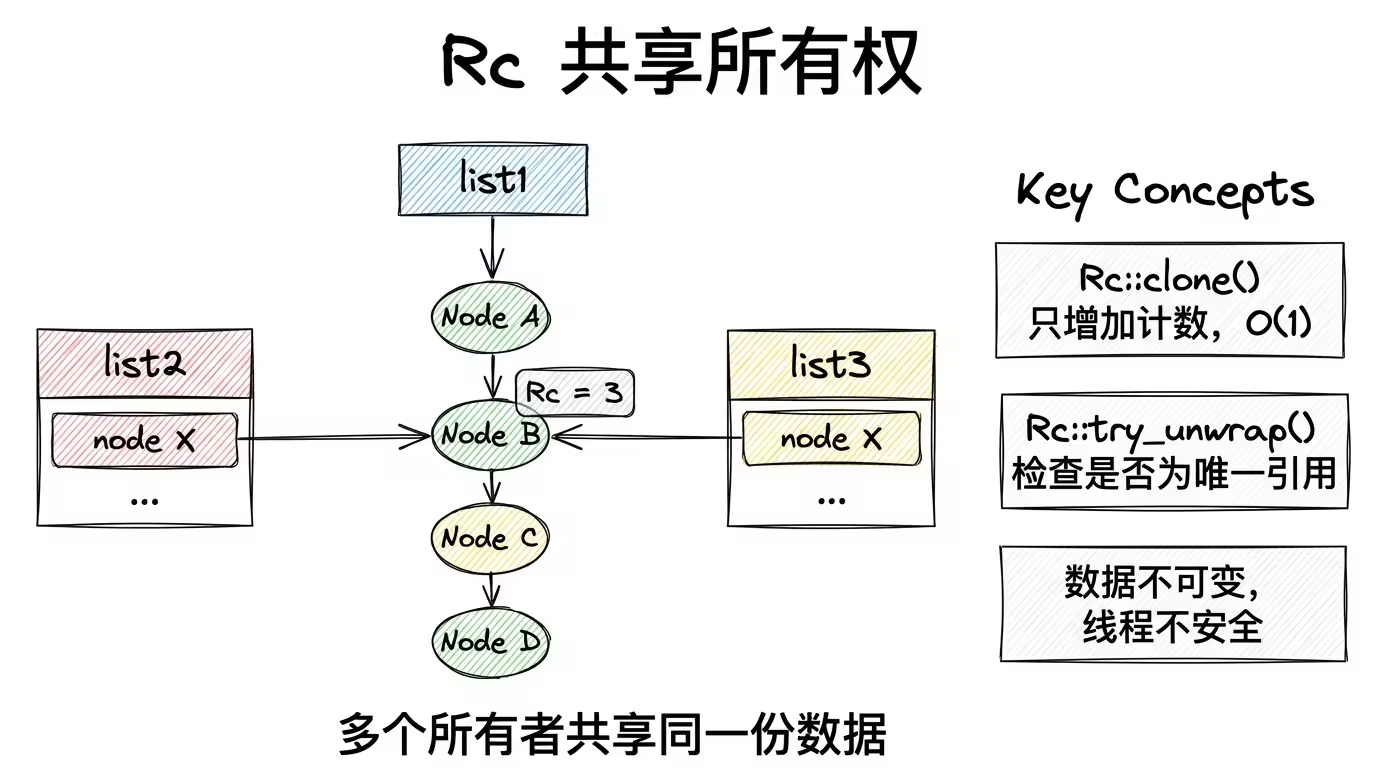
前面的链表都是单所有权的。在实际使用中,共享所有权更常见:
1
2
3
4
5
6
7
| list1 -> A ---+
|
v
list2 ------> B -> C -> D
^
|
list3 -> X ---+
|
节点 B 被三个链表共享,这带来两个问题:
Box 是独占所有权的,无法让多个链表指向同一个节点
当 list2 被 drop 时,B 可能还被 list1 和 list3 引用,不能直接释放
解决方案:Rc(Reference Count 引用计数)。Rc 允许多个所有者共享同一份数据,当最后一个 Rc 被 drop 时数据才会被释放。不过 Rc 的数据是不可变的(如果需要可变,可以配合 RefCell)。
数据布局#
 1
 2
 3
 4
 5
 6
 7
 8
 9
10
11
12
| use std::rc::Rc;
pub struct List<T> {
head: Link<T>,
}
type Link<T> = Option<Rc<Node<T>>>;
struct Node<T> {
elem: T,
next: Link<T>,
}
|
基本操作#
链表是不可变的,所以没有 push/pop。取而代之的是返回新链表的 prepend 和 tail:
 1
 2
 3
 4
 5
 6
 7
 8
 9
10
11
12
13
14
15
16
17
18
19
20
21
| // 在头部追加元素,返回新链表(原链表不受影响)
pub fn prepend(&self, elem: T) -> List<T> {
List {
head: Some(Rc::new(Node {
elem: elem,
next: self.head.clone(), // Rc 的 clone 只增加引用计数,O(1)
})),
}
}
// 返回去掉头节点的新链表
pub fn tail(&self) -> List<T> {
List {
head: self.head.as_ref().and_then(|node| node.next.clone()),
}
}
// 返回头节点元素的引用
pub fn head(&self) -> Option<&T> {
self.head.as_ref().map(|node| &node.elem)
}
|
自定义 Drop#
链表很长时,默认的递归 drop 可能栈溢出。手动实现迭代式 drop:
 1
 2
 3
 4
 5
 6
 7
 8
 9
10
11
12
| impl<T> Drop for List<T> {
fn drop(&mut self) {
let mut head = self.head.take();
while let Some(node) = head {
if let Ok(mut node) = Rc::try_unwrap(node) {
head = node.next.take();
} else {
break; // 还有其他引用,不能释放,停止
}
}
}
}
|
Rc::try_unwrap 检查当前 Rc 是否只剩一个强引用:是则返回内部值(可以安全释放),否则返回错误(说明还有其他链表在共享这个节点)。
v4:不太优秀的双端队列#
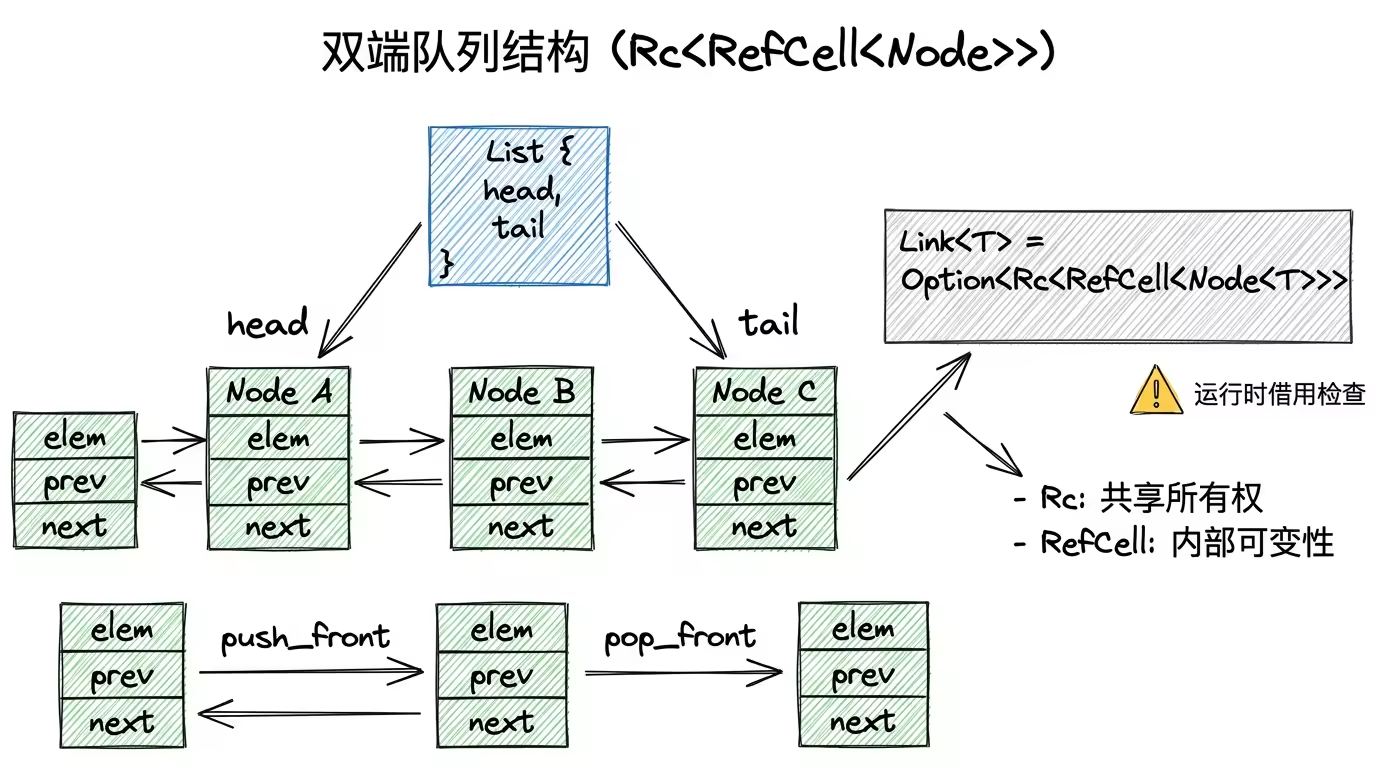
双向链表意味着每个节点同时指向前一个和后一个节点。节点被多方持有(前驱、后继、链表头尾),需要共享所有权;同时还要能修改 prev/next 指针,需要内部可变性。这就是 Rc<RefCell<Node>> 的经典应用场景。
双端队列结构:
数据布局#
 1
 2
 3
 4
 5
 6
 7
 8
 9
10
11
12
13
14
15
| use std::rc::Rc;
use std::cell::RefCell;
pub struct List<T> {
head: Link<T>,
tail: Link<T>,
}
type Link<T> = Option<Rc<RefCell<Node<T>>>>;
struct Node<T> {
elem: T,
next: Link<T>,
prev: Link<T>,
}
|
基本操作#
 1
 2
 3
 4
 5
 6
 7
 8
 9
10
11
12
13
14
15
| impl<T> Node<T> {
fn new(elem: T) -> Rc<RefCell<Self>> {
Rc::new(RefCell::new(Node {
elem: elem,
prev: None,
next: None,
}))
}
}
impl<T> List<T> {
pub fn new() -> Self {
List { head: None, tail: None }
}
}
|
push_front#
 1
 2
 3
 4
 5
 6
 7
 8
 9
10
11
12
13
14
| pub fn push_front(&mut self, elem: T) {
let new_head = Node::new(elem);
match self.head.take() {
Some(old_head) => {
old_head.borrow_mut().prev = Some(new_head.clone());
new_head.borrow_mut().next = Some(old_head);
self.head = Some(new_head);
}
None => {
self.tail = Some(new_head.clone());
self.head = Some(new_head);
}
}
}
|
pop_front#
 1
 2
 3
 4
 5
 6
 7
 8
 9
10
11
12
13
14
15
16
| pub fn pop_front(&mut self) -> Option<T> {
self.head.take().map(|old_head| {
match old_head.borrow_mut().next.take() {
Some(new_head) => {
new_head.borrow_mut().prev.take();
self.head = Some(new_head);
}
None => {
self.tail.take();
}
}
// Rc::try_unwrap 确认只剩一个引用后取出内部值
// .into_inner() 消费 RefCell,取出 Node
Rc::try_unwrap(old_head).ok().unwrap().into_inner().elem
})
}
|
这里不能直接 old_head.into_inner(),因为 Rc<T> 只提供不可变引用,不允许直接消费内部值。必须先用 Rc::try_unwrap 确认只剩一个强引用,拿到 RefCell<Node>,再用 into_inner() 取出 Node。
迭代器#
IntoIter#
消费式迭代器比较简单,正向用 pop_front,反向用 pop_back:
 1
 2
 3
 4
 5
 6
 7
 8
 9
10
11
12
13
14
15
16
17
18
19
20
| pub struct IntoIter<T>(List<T>);
impl<T> List<T> {
pub fn into_iter(self) -> IntoIter<T> {
IntoIter(self)
}
}
impl<T> Iterator for IntoIter<T> {
type Item = T;
fn next(&mut self) -> Option<T> {
self.0.pop_front()
}
}
impl<T> DoubleEndedIterator for IntoIter<T> {
fn next_back(&mut self) -> Option<T> {
self.0.pop_back()
}
}
|
Iter:此路不通#
尝试实现借用迭代器:
 1
 2
 3
 4
 5
 6
 7
 8
 9
10
11
12
13
14
15
16
17
18
| pub struct Iter<'a, T>(Option<Ref<'a, Node<T>>>);
impl<T> List<T> {
pub fn iter(&self) -> Iter<T> {
Iter(self.head.as_ref().map(|head| head.borrow()))
}
}
impl<'a, T> Iterator for Iter<'a, T> {
type Item = Ref<'a, T>;
fn next(&mut self) -> Option<Self::Item> {
self.0.take().map(|node_ref| {
self.0 = node_ref.next.as_ref().map(|head| head.borrow());
Ref::map(node_ref, |node| &node.elem)
})
}
}
|
编译报错:
1
2
3
4
5
6
| error[E0521]: borrowed data escapes outside of closure
|
155 | self.0 = node_ref.next.as_ref().map(|head| head.borrow());
| ^^^^^^ -------- borrow is only valid in the closure body
| |
| reference to `node_ref` escapes the closure body here
|
问题在于 RefCell::borrow() 返回的 Ref 的生命周期与 RefCell 绑定,而不是与数据本身绑定。我们需要在使用 node_ref(当前节点的 Ref)的同时,从它内部借用下一个节点——这要求 node_ref 活得比闭包更久,但它的所有权马上就要被 Ref::map 消费掉。
尝试用 Ref::map_split 拆分也无济于事,根本矛盾是:Ref 不允许被拆分成跨越多个 RefCell 的引用。
Rc<RefCell> 双向链表的借用迭代器在安全 Rust 中基本无法实现。这是内部可变性的固有局限——RefCell 的运行时借用检查无法像编译期借用检查那样灵活地拆分引用。
v5:不错的 unsafe 队列#
Rc<RefCell> 的方案过于复杂且有诸多限制。对于需要可变性的链表场景,裸指针 + unsafe 反而是更务实的选择。
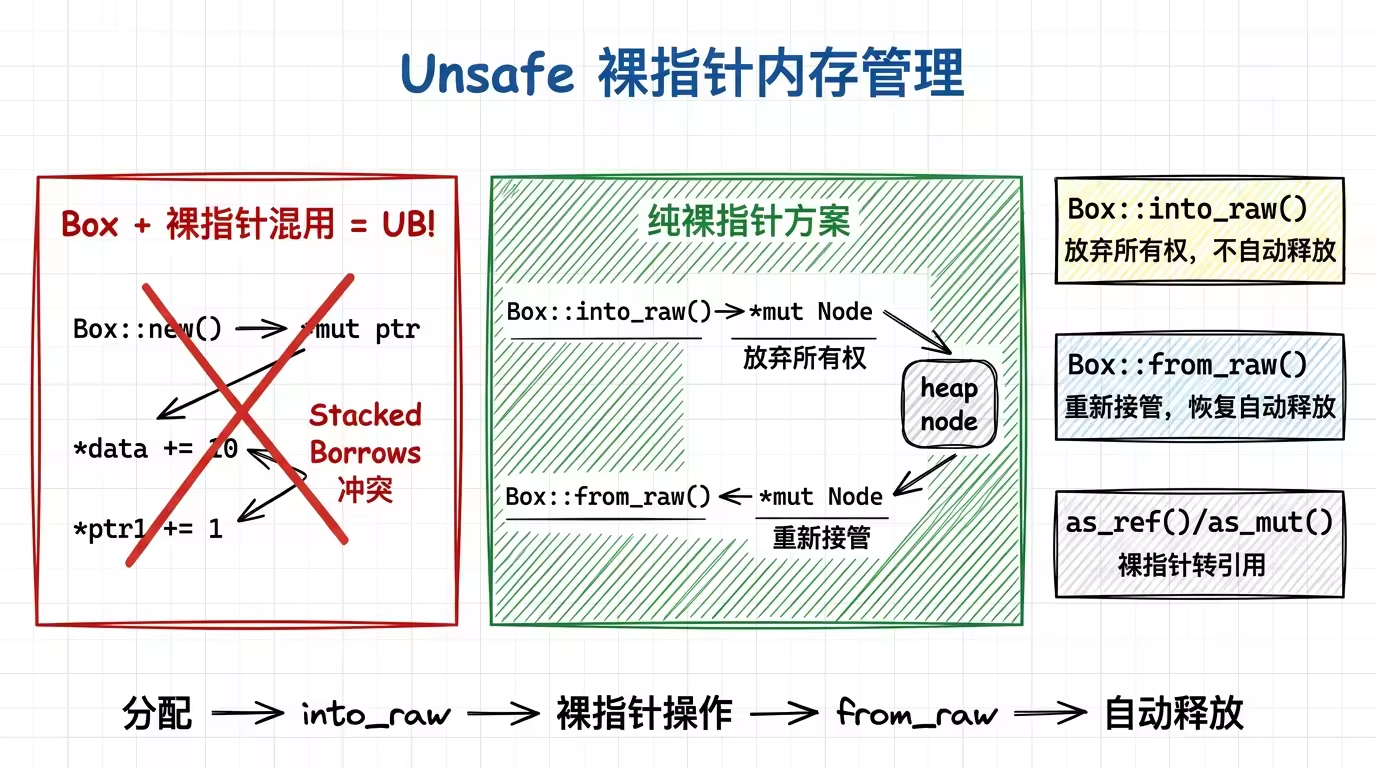
Unsafe 裸指针内存管理:
第一版:混用 Box 和裸指针#
 1
 2
 3
 4
 5
 6
 7
 8
 9
10
11
| pub struct List<T> {
head: Link<T>,
tail: *mut Node<T>, // 裸指针,指向尾节点,方便尾部追加
}
type Link<T> = Option<Box<Node<T>>>;
struct Node<T> {
elem: T,
next: Link<T>,
}
|
 1
 2
 3
 4
 5
 6
 7
 8
 9
10
11
12
13
14
15
16
17
18
19
20
21
22
23
24
25
26
27
28
29
30
31
| pub fn push(&mut self, elem: T) {
let mut new_tail = Box::new(Node {
elem: elem,
next: None,
});
let raw_tail: *mut _ = &mut *new_tail;
if !self.tail.is_null() {
unsafe {
(*self.tail).next = Some(new_tail);
}
} else {
self.head = Some(new_tail);
}
self.tail = raw_tail;
}
pub fn pop(&mut self) -> Option<T> {
self.head.take().map(|head| {
let head = *head;
self.head = head.next;
if self.head.is_none() {
self.tail = ptr::null_mut();
}
head.elem
})
}
|
能跑,但混用 Box 和裸指针会导致未定义行为(UB:Undefined Behavior)。原因在于 Rust 的别名模型(Stacked Borrows):Box<T> 声称自己是数据的唯一所有者,但我们同时通过裸指针修改同一块内存,破坏了这个契约。
 1
 2
 3
 4
 5
 6
 7
 8
 9
10
| // 类似这样的问题:
unsafe {
let mut data = Box::new(10);
let ptr1 = (&mut *data) as *mut i32;
*data += 10;
*ptr1 += 1; // Miri 报错:UB!
println!("{}", data);
}
|
Rust 认为 Box 是数据的唯一修改者。但裸指针也在修改同一块内存,编译器的优化(例如基于独占引用的缓存优化)可能导致非预期行为。
原则:一旦开始使用裸指针,就应该全程使用裸指针,避免与 Box 的所有权模型冲突。
第二版:纯裸指针#
 1
 2
 3
 4
 5
 6
 7
 8
 9
10
11
| pub struct List<T> {
head: Link<T>,
tail: *mut Node<T>,
}
type Link<T> = *mut Node<T>; // 全部用裸指针
struct Node<T> {
elem: T,
next: Link<T>,
}
|
Push#
 1
 2
 3
 4
 5
 6
 7
 8
 9
10
11
12
13
14
15
16
| pub fn push(&mut self, elem: T) {
unsafe {
let new_tail = Box::into_raw(Box::new(Node {
elem: elem,
next: ptr::null_mut(),
}));
if !self.tail.is_null() {
(*self.tail).next = new_tail;
} else {
self.head = new_tail;
}
self.tail = new_tail;
}
}
|
Box::into_raw 将 Box 转换为裸指针并放弃所有权(不会自动释放内存)。从这一刻起,内存管理完全由我们手动负责。
Pop#
 1
 2
 3
 4
 5
 6
 7
 8
 9
10
11
12
13
14
15
16
| pub fn pop(&mut self) -> Option<T> {
unsafe {
if self.head.is_null() {
None
} else {
let head = Box::from_raw(self.head); // 重新接管所有权
self.head = head.next;
if self.head.is_null() {
self.tail = ptr::null_mut();
}
Some(head.elem)
}
}
}
|
Box::from_raw 将裸指针重新包装为 Box,恢复自动内存管理。当 head 离开作用域时,Box 会自动释放内存。
Peek#
 1
 2
 3
 4
 5
 6
 7
 8
 9
10
11
| pub fn peek(&self) -> Option<&T> {
unsafe {
self.head.as_ref().map(|node| &node.elem)
}
}
pub fn peek_mut(&mut self) -> Option<&mut T> {
unsafe {
self.head.as_mut().map(|node| &mut node.elem)
}
}
|
裸指针的 as_ref() / as_mut() 将 *mut T 转换为 Option<&T> / Option<&mut T>,null 指针会变成 None。
迭代器#
三种迭代器的实现与 v2 的安全版本结构一致,只是内部用裸指针操作:
1
2
3
4
5
6
7
8
9
| pub struct IntoIter<T>(List<T>);
pub struct Iter<'a, T> {
next: Option<&'a Node<T>>,
}
pub struct IterMut<'a, T> {
next: Option<&'a mut Node<T>>,
}
|
 1
 2
 3
 4
 5
 6
 7
 8
 9
10
11
12
13
14
15
16
17
18
19
20
21
22
23
24
25
26
27
28
29
30
31
32
33
34
35
36
| impl<T> List<T> {
pub fn into_iter(self) -> IntoIter<T> {
IntoIter(self)
}
pub fn iter(&self) -> Iter<'_, T> {
unsafe { Iter { next: self.head.as_ref() } }
}
pub fn iter_mut(&mut self) -> IterMut<'_, T> {
unsafe { IterMut { next: self.head.as_mut() } }
}
}
impl<T> Iterator for IntoIter<T> {
type Item = T;
fn next(&mut self) -> Option<Self::Item> {
self.0.pop()
}
}
impl<'a, T> Iterator for Iter<'a, T> {
type Item = &'a T;
fn next(&mut self) -> Option<Self::Item> {
unsafe {
self.next.map(|node| {
self.next = node.next.as_ref();
&node.elem
})
}
}
}
impl<'a, T> Iterator for IterMut<'a, T> {
type Item = &'a mut T;
|
总结:用 c 的方式写 rust 真爽
通过五个版本的链表实现,我们逐步触碰了 Rust 的核心机制:
| 遇到的问题 | 学到的知识 |
|---|
| 递归类型无限大 | Box 堆分配,间接引用 |
不能从 &mut self 中移走值 | mem::replace、Option::take |
| 返回内部引用时所有权冲突 | as_ref() / as_deref(),引用而非所有权 |
| 不可变引用需要标注存活范围 | 生命周期 'a、生命周期消除规则 |
&mut T 不可 Copy | take() 获取所有权 vs map 拷贝引用 |
| 多个所有者共享数据 | Rc 引用计数 |
| 共享的同时需要修改 | RefCell 内部可变性 |
RefCell 的 Ref 无法跨节点拆分 | 安全 Rust 的固有局限 |
Box 和裸指针混用导致 UB | Stacked Borrows 别名模型、Miri 检测 |
| 需要完全手动管理内存 | Box::into_raw / Box::from_raw、裸指针 |
一句话总结:链表是 Rust 所有权系统的天然对手。正是因为链表的节点互相引用、共享、可变,才把 Rust 的每一道安全防线都触发了一遍。理解了链表,就理解了 Rust 为何如此设计。